





Are millets good for the heart ?

Millets, the forgotten ancient grains which were our staple for centuries have come to limelight once again in this modern world. For years we largely ignored these nutritious grains, focusing instead on refined ones. But with increased awareness about eating healthy, millets are back into significance.
Research confirmed that millets are enriched in dietary fiber, minerals and proteins. So it is hailed as a tartine to lose or maintain weight by health professionals. These benefits have in a way made millets the staple food of all health enthusiasts.
The following parts will describe the advantages of millet from getting rid of weight and for maintaining our normal wellness.
What are Millets?
Millets are a group of small-seeded grasses grown for many thousands in years in different parts world such as India, China, Africa and even South America. In India, millets are called “Siridhanya” and have been a part of our traditional food culture for thousands of years. The group of millets contains a variety of grains such as sorghum, pearl millet, foxtail millet, finger millet, little millet and so on.
They are versatile grains and can be cooked in many ways. It is possible to boil steam or roast millet for it to be used as edible. Millets do not contain gluten, are rich in fibre and have a low glycemic index making them an ideal food for Diabetics and those with Gluten Allergy/Metabolic Syndrome. Millets are full of critical vitamins and minerals like Iron, magnesium and phosphorous which is why they could be a healthy addition for your weight-reduction plan.
Nutritional Value of millets according to USDA is listed below (approximately per 100 grams raw millet)
Calories: 378kCal
Protein: 11g Fat: 4.22g
Carbohydrates: 72.8g
Fibre: 8.5g
Calcium: 8mg
Iron: 3.01mg
Magnesium: 114mg
Phosphorus: 285mg
Potassium: 195mg
Selenium: 2.7µg
Folate: 85µg
A Breakthrough: Using Millets to Beat Cardiovascular
The speed at which lifestyle diseases, such as cardiovascular disorders and diabetes have been increasing is alarming in our fast paced world today. Poor diet and being a couch potato now rank quite highly as global health threats. More crucially, it affects all nations and not only affluent countries. Meeting these challenges requires a proactive response, and reiterates the importance of dietary diversity and sustainable solutions.
Millets — Ancient Wisdom Redux
And amidst this swelling health crisis, an ancient grain has made a comeback and is now regarded as our possible savior in the fight for good health. Millets, a heterogeneous group of cereal grains that have been cultivated for thousands of years around the world are receiving growing interest due to their exceptional nutritional properties which can improve human health.
Why Millets: A Nutrient-Dense Food Source
The amazing thing about millets is they are highly rich in nutrients like vitamins, minerals and antioxidant components. Those tiny grains contain fiber, protein, and a plethora of other micronutrients — iron, magnesium, zinc, calcium and manganese. Moreover, as millets are glutenfree; it makes them one of a kind this is suitable for celiac sufferers and people who follow no-gluten diets.
Exposing Millets as A Heart-Healthy Ingredient!

Recent scientific research has revealed fascinating facts about millets and cardiovascular health. Recently, a systematic review and meta-analysis carried out by highly reputed researchers has identified strong biochemical evidence demonstrating that millets contain components that help to regulate blood lipid profile which is one of the most important risk factor in heart disease.
Decreasing total cholesterol and triglycerides
Studies have shown that the regular consumption of millets could lead to a significant reduction in total cholesterol by 8 %. There was also an impressive 9.5% reduction in triglyceride levels, a major cardiovascular risk factor suggesting the possible utility of these grains for hyperlipidemia management.
Lowering “Bad” Cholesterol and Up-regulating “Good” Cholesterol
Fat loss is one thing and millets have proven to lower the “bad” cholesterol, low-density lipoprotein (LDL) cholesterols by lowering them down up to a 10 percent. At the same time, they have been demonstrated to raise levels of high-density lipoprotein (HDL) cholesterol “good” cholesterol – by an impressive 6 percent. Besides the lessening of arterial plaque, it also promotes cholesterol disposal in order to help prevent accumulation throughout artery walls and lead to a healthier cardiovascular system.
In fact, the benefits of millets not only affect lipid profiles. Among them, the most important one is diastolic blood pressure which showed a decrease of 5% in studies. Moreover, consumption of millet resulted in a 7% decline in body mass index (BMI) among overweight and obese people – another vital factor that plays an important role during the management of factors causing heart diseases.
Millet Benefits: Showcasing the Millet Edge
In addition, these millets do come with a host of properties that are directly linked to their heart-healthy nature:
Low Glycemic Index: Millets have a low glycemic index and release glucose in the blood far slower than rice or wheat. This helps to make blood sugar control better, reducing the factors that predispose on insulin resistance and type 2 diabetes — all important cardiovascular disease riskacedentes.
High in unsaturated fats: millets contain at least 2 to 10 times higher amounts of unsaturated fat than white rice and refined wheat. These fats are good fats that help lower cholesterol and provide essential fatty acids the body needs to function properly.
High in Antioxidants: Millets are a source of antioxidants and phytochemicals, which could make them heart-healthy foods by preventing oxidative stress & inflammation — two causes for CVD.
Taking a Comprehensive Approach for Cardiovascular Health
Adding millets in the diet can be one big step toward a heart healthy life, but taking care of families’ hearts should not start and end at just this. The traditional and balanced diet — full of colorful fruits, vegetables, whole grains, protein from lean meats or fish oils along with the healthy fats like omega-3 fatty acids etc., a sufficient amount through which will be complemented by regular physical activity (walking is best) stress management techniques as well as routine health screenings.
Adopting a lifestyle which unites millet power with all other heart-friendly habits, can help reduce the risk of heart disease and improve overall health.
Closing Thoughts: The Millet Revolution
The revival of millets in the contemporary dietary scenario is an excellent chance to address this epidemic as well as to keep wellness alive. This ancient grain instantly brings a hefty punch to the nutritional table, not only with its long list of health benefits but as incredibly sustainable option well, together making it an automatic solution for today’s world in need.
For the world to have a healthier heart, more of can be achieved by adopting this millet revolution into our daily diet. Celebrateof the past, making meals secure and empowering with Millets paving a future where heart issue will be solved Visit Grami superfoods to explore the varieties of millet based healthy products to start your millet journey today!
Powered by Grami superfoods.
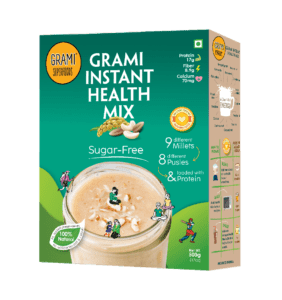
Check out our new Grami Instant Health Mix sugarfree made with pregnant women’s nutrition in mind. It has 9 different millets and 8 types of pulses giving you lots of protein and fiber with no added sugar – just what you need for a healthy pregnancy. This mix gives you over 15 nutrients, including macro and micro nutrients your body needs. Want to learn more? Click here.
#health #heart #publichealth #healthylifestyle #naturalmedicine #behealthy #selfcare #stayhealthy #wellness #healthy #eathealthy #nutrition #food #mindbodysoul
555
555
555
555
555
555
555
555
555
555
555
555
555
555
555
555
555
555
555