







Can Millets Revolutionize Your Gut Health?

Millets, the forgotten ancient grains which were our staple for centuries have come to limelight once again in this modern world. For years we largely ignored these nutritious grains, focusing instead on refined ones. But with increased awareness about eating healthy, millets are back into significance.
Research confirmed that millets are enriched in dietary fiber, minerals and proteins. So it is hailed as a tartine to lose or maintain weight by health professionals. These benefits have in a way made millets the staple food of all health enthusiasts.
The following parts will describe the advantages of millet from getting rid of weight and for maintaining our normal wellness.
What are Millets?
Millets are a group of small-seeded grasses grown for many thousands in years in different parts world such as India, China, Africa and even South America. In India, millets are called “Siridhanya” and have been a part of our traditional food culture for thousands of years. The group of millets contains a variety of grains such as sorghum, pearl millet, foxtail millet, finger millet, little millet and so on.
They are versatile grains and can be cooked in many ways. It is possible to boil steam or roast millet for it to be used as edible. Millets do not contain gluten, are rich in fibre and have a low glycemic index making them an ideal food for Diabetics and those with Gluten Allergy/Metabolic Syndrome. Millets are full of critical vitamins and minerals like Iron, magnesium and phosphorous which is why they could be a healthy addition for your weight-reduction plan.
Nutritional Value of millets according to USDA is listed below (approximately per 100 grams raw millet)
Calories: 378kCal
Protein: 11g Fat: 4.22g
Carbohydrates: 72.8g
Fibre: 8.5g
Calcium: 8mg
Iron: 3.01mg
Magnesium: 114mg
Phosphorus: 285mg
Potassium: 195mg
Selenium: 2.7µg
Folate: 85µg
Unleashing the prebiotic properties of millets
Millets are an essential part of a balanced diet and dietary fiber is threaded into the tapestry of millet. This elaborate quilt weavings made up of two types: soluble fiber and the equally beneficial insoluble fibers.
The Soluble Fibers: Gentle Guardians
Like little-watchful guardian angels, soluble fibers combine with water in our digestive track and form a type of gel substance. With this amazing property they manage to capture the cholesterol and excess fat you consume, making them not absorbed into your blood stream. Soluble fibers also help regulate cholesterol levels, which is an essential part of protecting our mutual cardiovascular health as it decreases the risk for atherosclerosis
Insoluble Fibers: The Defender of Normalcy
Insoluble fibres are used like a meteor ball that should chase off any eteriorating element from your bash without mercy. Bulk improves bowel movement hence, stools get a bulk by this fibers which indeed helps in normal excretion movement combating the discomfort of having constipation. In addition, they act as prebiotics which feed our friendly gut bacteria that help keep us healthy.
Prebiotic properties of millets:
Though millets are full of fiber, the impressive prebiotic activity comes from their insoluble fiber category. Cellulose, hemicellulose and RS; all contribute different things to the mosaic of insoluble fibers in our diet which are valuable for maintaining a healthy microbiome.
Cellulose: The Handy Anti-Inflammatory
Cellulose—a water-insoluble fiber—helps to contain gut inflammation. Additionally, cellulose promotes the growth of health-promoting bacteria such as Alistipes and Akkermansia in your gut thus retaining a healthy balance that lowers inflammation .
Hemicellulose: Master Metabolite
Metabolically speaking, hemicellulose, which is another form of the insoluble fiber found in millets, wears a hat similar to that. This compound, when metabolized by the gut microbiota plays a crucial role in increasing insulin sensitivity—also helps maintain normal blood sugar and also prevents metabolic disorders such as diabetes.
Resistant Starch – Boosting Insulin Sensitivity
Resistant starch is a type of insoluble fiber — and an unlikely hero when it comes to increasing insulin sensitivity. Resistant starch escapes digestion in the small intestine, traveling into the colon relatively unchanged where it feeds beneficial bacteria which are essential for good gut health (such as Bifidobacterium and Eubacterium) In response, these bacteria in the colon produce substances that improve insulin sensitivity: an important step to prevent metabolic pathologies. Soluble fiber is then broken down and becomes fermented by the microbiota within our gut in order to produce short vest chain fatty acids (SCFA). In addition to its insoluble fibres, millets possess a prebiotic potential. This unique fiber profile in ancient grains bolsters the symbiotic gut ecosystem between fibrolytic bacteria and their human hosts.
Which millets are top prebiotics?
Fiber-Rich Powerhouse: Kodo Millet
This lesser known (but no less potent) member of the millet family is chock-full of fiber. With 7-12% fiber content, it is the treasure chest of digestive well-being. With high fiber levels, it not just boosts colon regularity but also helps in maintaining gut health.
Little Millet – The Fiber Topper
With only 15-20% dietary fiber, this tiny millet grain supports the show. Not only is this fibre-fuelled hero good for digestion and constipation, but it helps to feed your gut the right kind of food which makes targeted prebiotic fibres very useful when incorporating into a diet.
Finger Millet: The Calcium-Rich Fiber Ally.
While finger millet is the fiercest fiber ally with similar fiber content to kodo millet, its calcium and iron content makes it highly attractive. As the only millet containing both calcium and iron in such high amounts, finger millet stands as a multifaceted ally for the digestive and overall nutritional well-being.
Pearl Millet: The Modest Fiber Contributor.
Pearl millet may not be the most fiber-dense millet of the five, but it is still a fairly great contributor to the diet. Besides fiber content, pearl millet also offers iron and magnesium, which make it appealing from a nutritional standpoint.
Foxtail Millet: The Gentle Fiber Infusion.
With the lowest fiber content among the five millets, foxtail millet is still a light source of the nutrient. A proper addition of fiber to the general daily intake, it promotes the uniform approach to prebiotic nourishment.
Sorghum: The Fiber-Packed Versatility.
Sorghum is one of the most consumed millets, and its versatility in terms of consuming and cooking is just one reason for its widespread popularity. Sorghum is a known source of fiber, and when consumed whole or used as an ingredient, it feeds the gut microbiome.
Proso Millet: The Modest Fiber Companion.
Similar to other millets, proso millet does not contain large amounts of fiber but can be a great companion in the matter. These five millets, forming the basis for the proper prebiotic intake, may affect one’s psychological and other states through the gut-brain axis. The Gut-Brain Axis: Millets’ Prebiotic Potential and Mental Well-being. In recent years, the so-called gut-brain axis has been highly emphasized and studied as to have a profound influence on human processes. The prebiotic action of the millet, recognized for gut properties, may not only affect the physical well-being. According to the latest studies, it is likely to influence one’s emotional and mental comfort.
How to add millets in your diet?
Millet Porridges and Cereals
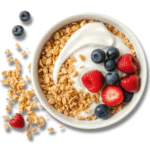
The joy of starting your day with prebiotic millet can enhance any porridge or cereals you decide to enjoy in the morning. Worried about which millet proridges are good? Grami got you! Explore the varieties of Grami porridges made of more than 9 millets from Grami Superfoods. The convenient and natural way of acquiring millet goodness! Pair it together with some fresh fruits, a sprinkle of nuts and drizzled honey — what can I say?! A GREAT BREAKFAST EXPERIENCE!
Millet Salads and Grain Bowls
Add it to a vibrant millet salad or grain bowl. Between their nutty, chewy kick and how well they lend themselves to any salad’s produce or proteins (or dressings), farro adds harmonious depths of flavor and nutrition. Millet Mueslis are the best option for a healthy yet tasty breakfast. Try our new Grami millet muesli ranges in various exciting flavours without compromising the goodness of millets. You will love it!
Millet Pilafs and Risottos
Take your cooking to the next level by making variety of millet pilafs and risottos. Millet flavored by these aromatic spices and herbs will boost your gut flora like none other while also offering a glorious adventitious flavor to savor.
Millet Breads and Baked Goods
Discover millets in their wholesome form by adding them to your favorite bread and baked goods. Millet- From millet loaves to muffins and cookies, these grains provide a lovely nutty taste of their own accord as well as enough prebiotic fiber in your oven creations. Explore the goodness of millets in the tatsiest way! Try out the baked snacks, rusks and cookies ranges, made out of millets, completely gluten-free to cherish the guilt-free indulgence!
Millet Curries and Stews
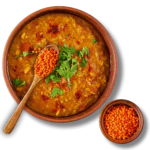
The hearty curries and stews is another way to take the rich culinary heritage of millets. They will take on flavor and can be adapted with a wide range of spices and aromatics to make comforting, grounding food.
Combining Millets with Other Prebiotic Foods for the Best Synergy
Even though millets indeed are rich in prebiotics, you can further enhance the results by mixing them with other prebotic containing foods. This synergistic strategy not only broadens the prebiotic portfolio, but also achieves a truly-diversified and thus more balanced gut microbiome.
Millet Legume Combinations
Integrate the prebiotic power of millets with fiber bounty in legumes like lentils, chickpeas and beans. Together, they form a complete protein source and deliver a broad spectrum of prebiotic fibers to feed your gut biome.
Millet and Probiotic Pairings
Combine millets with dairy-based probiotic foods (yogurt / kefir) or fermented vegetables to increase their prebiotic potential. This team effort allows the good bacteria to increase and thrive within their environment.
Millet and Prebiotic Vegetable Medleys
Add in millets to colorful vegetable tosses with prebiotic ingredients are onions, garlic, asparagus and artichokes. Can you imagine how this nutrient-dense combination tastes as well as provides a full range prebiotic feast, overall it feels great inflaming your tastebuds and yet tasty exciting for gut microbiome.
Millets in shaping the landscape of our gut microbiome
Your gut microbiome is a rich and ever-evolving garden of trillions of microorganisms that perform important functions related to your health. Millets nourish those bacteria that are good and make our gut flora a pleasant place for them to live.
Bifidobacterium:
Bifidobacterium, a group of probiotics in the gut that lives on prebiotic fibers present in millets. These good microbes are crucial in maintaining a healthy gut, for curing regular bowel movement problems and assisting immune functions.
Lactobacillus:
Another probiotic genus, Lactobacillus gets fed prebiotic fibers of millets. These beneficial intestinal buddies aid in the synthesis of heraultic acid, establish an unfavorable atmosphere for pathogenic bacteria and help with digestive wellness.
Akkermansia
An interesting bacterium: The unique bacterial genus Akkermansia is important for the health of the gut mucosal lining. Prebiotic fibers which are prevalent in millets keeps Akkermansia thriving, reinforcing the gut barrier reducing inflammation and supporting overall healthy gut.
Faecalibacterium
Butyrate-producing genus, Faecalibacterium thrives on the insoluble fibres of millets. An inflammatory powerhouse – it helps to sustain the delicate balance of your gut microbiome and, in turn, lessen that excruciating road leading towards chronic inflammation and its ubiquitous bounty of health issue gaining names.
Roseburia
Another butyrate-producing genus is Roseburia which grows on the prebiotic fibers peculiar to millets. Roseburia helps to regulate metabolic processes by producing butyrate which may help reduce the risk of common metabolic disorders such as obesity and type 2 diabetes.
How millets help in gastrointestinal issues?
And it is not just the prebiotic profile enough for maintaining general gut well-being, these millets may have even more specialized roles in health based on their unique soluble fibre content.
Irritable Bowel Syndrome (IBS)
Those with Irritable Bowel Syndrome (IBS) often suffer from some combination of bloating, digestive discomfort and irregular bowel movements. Millets are gentle and soothing on our system as well, with its prebiotic fiber properties which can help align the gut bacteria and promote better bowel movements, two key factors in those suffering from IBS.
Inflammatory bowel disease (IBD)
Inflammatory Bowel Diseases ( IBD), which consist of is Crohn’s disease and ulcerative colitis, are a related chronic inflammatory condition in the digestive tract. Thus, the anti-inflammatory effects of millets and their prebiotic fibres might reduce inflammation which in turn repair damaged gut lining leading hold to reduction in IBD symptoms.
Reduction in Colorectal Cancer Risk
While research on this front is nascent, a harmonized gut may provide some prophylaxis against colorectal cancer risk (which ranks third or fourth globally), with prebiotic fibers playing an essential role towards that — millets being profoundly rich in them. Millets ameliorate cancer risk through a seemingly paradoxical mechanism: Millet types that effectively increase the growth of beneficial bacteria while prohibiting pathogenic ones may help to establish and maintain an enhance human gut environment.
Concluding…
Prebiotic journey with millets is not just a meal, but it marks the beat of such unique symmetries that explores and unfolds vibrant experience regarding the abyssal intricacies fitting 360-degree round plates for phycological mental emotionally intact. Probiotic superheroes, so to speak, which our ancestors understood on a deep level long before modern science discovered their probiotic power.
In order to become the best version of you, there really is a whole universe inside that gut and with every meal time begins an exciting adventure feeding both your own being as well vasts ecosystem residing in. Let the wisdom of ancient millet guide you toward a future with focused energy and optimal health, as it want to support your own connection within this dynamic world that is you.
Powered by Grami superfoods.
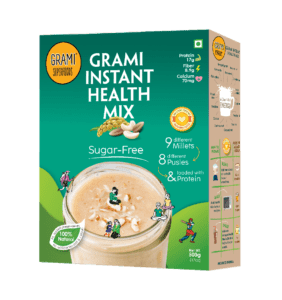
Check out our new Grami Instant Health Mix sugarfree made with pregnant women’s nutrition in mind. It has 9 different millets and 8 types of pulses giving you lots of protein and fiber with no added sugar – just what you need for a healthy pregnancy. This mix gives you over 15 nutrients, including macro and micro nutrients your body needs. Want to learn more? Click here.
#millets #are #prebiotics #rich #antioxidants #behealthy #healthyliving #variety #goodbacteria #eathealthy #naturalhealth #natural #healthysnacks #healthyeating #healthy #healthygut #foodforthought #digestivehealth #healthybiscuits
555
555
555