















Manage gestational diabetes with millets- 5 pros of millets during pregnancy

Pregnancy brings a lot of happiness to a woman’s life. As her body changes to grow and nourish a baby, it’s crucial to keep an eye on both the mother’s and the unborn child’s health to avoid problems during pregnancy.
If the mother gets diabetes, it might affect the baby’s health. Friends may give a bunch of unneeded advice. Gestational diabetes mellitus, or pregnancy diabetes, happens when a woman’s blood sugar levels rise during pregnancy. This condition, which is one of the three types of diabetes, can show up whether or not the mother had diabetes before getting pregnant.
However, this condition shows up in women who haven’t had diabetes before. Gestational diabetes during pregnancy doesn’t mean your blood sugar will stay high after you give birth. For most women, it disappears after delivery. But , if you get diagnosed with gestational diabetes, you’re more likely to develop type 2 diabetes later in life.
When does gestational diabetes occur during pregnancy?
Gestational diabetes shows up near the end of the second trimester, between weeks 24 and 28 of pregnancy. As a safety measure, your diabetologist often runs a gestational diabetes test around this time. If you don’t catch or treat gestational diabetes, your child might have a higher chance of getting diabetes later in life. It’s best to deal with it to lower the risks and problems during pregnancy and birth. In these situations, following a diet plan from a dietitian for gestational diabetes can help keep the mother’s blood sugar in check and protect the baby.
How does gestational diabetes affect the baby?
This chapter explores some complications of gestational diabetes and its impact on the baby. These complications can harm the growing baby making early diagnosis crucial to control its effects throughout pregnancy. Both the expecting mother and her baby can face complications from gestational diabetes. Here are some ways pregnancy diabetes can have an impact on your baby:
Higher than normal birth weight – When blood sugar levels are high during pregnancy, babies can grow bigger than usual. This is a type of problem that can happen with pregnancy diabetes. It can cause birth injuries or lead to an emergency C-section. This is because the baby might not be able to pass through the birth canal .
Premature birth – This is closely tied to higher birth weight. The woman might need to give birth earlier than her due date because the baby is too big.
Breathing difficulties – This is a serious issue that can stem from gestational diabetes. Soon after birth, babies might face respiratory distress syndrome. This critical condition makes it hard for them to breathe.
Low blood sugar levels – Gestational diabetes links to high blood sugar levels, but some babies might face the opposite right after birth. Very low blood sugar levels can cause babies to have seizures often. To treat low sugar levels during birth, doctors can use watched feeding times and give glucose solutions through a vein now and then.
Obesity in the future – Babies born to moms with gestational diabetes have a higher chance of becoming obese and getting type 2 diabetes later in life.
Stillbirth – When gestational diabetes goes untreated and unchecked during pregnancy, it can lead to the baby’s death before or soon after birth.
How does gestational diabetes affect the mother?
We’ve seen how gestational diabetes in pregnant women puts babies at risk, but it can also hurt the expecting mother. Let’s check out some problems gestational diabetes can cause for the mother:

High blood pressure – Moms with gestational diabetes run the risk of high blood pressure and pre-eclampsia. Pre-eclampsia is a pregnancy issue that shows up around week 20 or even after the baby’s born. Without treatment, it can lead to high blood pressure, headaches fuzzy vision, protein in pee, swelling, and organ damage. This puts both mom and baby in danger. It might cause the child to have growth issues as it gets bigger. While we’re not sure what causes pre-eclampsia, it’s often linked to problems with the placenta.
Delivery via C Section – Though it’s not a complication of gestational diabetes, moms with this condition are more likely to have a C-section instead of a normal vaginal delivery. This is because their babies often have a higher birth weight and are larger in size.
Diabetes later in life – Women who’ve had gestational diabetes face a higher chance of getting it again in future pregnancies. They’re also at risk of developing type 2 diabetes down the road.
What causes gestational diabetes?
The root cause of gestational diabetes remains a mystery. Scientists think the endocrine system might have an impact on its development. What we do know is that gestational diabetes doesn’t stem from a lack of insulin. Instead, it’s linked to other hormones produced during pregnancy that make insulin less effective in the body. From the moment of conception, a woman’s body starts to churn out large amounts of specific pregnancy hormones. These hormones help the baby to develop.
So what does insulin do in our body? It guides blood sugar to cells where it turns into energy. When a woman is pregnant, it’s normal to have a bit of insulin resistance because blood sugar also goes to the baby. But too much insulin resistance can make blood sugar levels go up more than usual leading to gestational diabetes.
What are the symptoms and signs of gestational diabetes?
A lot of pregnant women don’t notice any weird symptoms or signs of gestational diabetes. This explains why gestational diabetes often goes unnoticed. Doctors usually do a gestational diabetes test when the second trimester ends. This test tells them if the condition is there or not.
But some pregnant women might have mild symptoms that look a lot like other types of diabetes. Here are some common signs of gestational diabetes:
You’re thirsty all the time
You feel tired
Your mouth feels dry
You pee a lot
You can’t see clearly
How millets help in controlling gestational diabetes?
Keeping gestational diabetes in check during pregnancy is key to safeguarding the health of both mom and baby. A smart way to control blood sugar involves adding nutrient-rich millets to your meals. These old-school grains often forgotten, pack a punch of good stuff for women dealing with gestational diabetes.
Steady Blood Sugar Thanks to Low Glycemic Index
One key reason millets help control gestational diabetes is their low glycemic index (GI). Low GI foods release glucose into the blood, which stops quick jumps in blood sugar. Foxtail finger (ragi), and barnyard millets work well for this. They have much lower GI values than common grains like rice and wheat.
When pregnant women eat millets, they can keep their blood glucose levels steady. This steadiness is crucial to manage gestational diabetes. It helps avoid dangerous highs and lows in blood sugar leading to better control of the condition overall.
High Fiber Content Slows Down Digestion
Millets have a lot of dietary fiber, which slows down how your body breaks down and absorbs carbs. This slower breakdown of carbs helps keep blood sugar levels steady after meals, which matters for pregnant women who have trouble with insulin. Eating lots of fiber can also make your body respond better to insulin, so you might not need extra treatments like insulin shots.
The fiber in millets makes you feel full, which helps you control your hunger and not eat too much. For women who have diabetes during pregnancy, this is key because it helps them eat in a controlled way making them less likely to eat foods that might cause their blood sugar to jump up.
Rich in Essential Nutrients
Millets have a low GI and high fiber content. They also contain important nutrients like magnesium, potassium, calcium, and B-vitamins. These nutrients are key to managing gestational diabetes. Magnesium improves how insulin works, which helps control blood sugar better. Potassium regulates blood pressure, which is helpful since gestational diabetes can raise the risk of high blood pressure.
Calcium from finger millet (ragi), is essential during pregnancy. It supports the mother’s bone health and helps the baby grow. Eating millets makes sure both the mother and baby get these important nutrients while keeping blood sugar steady.
Also read: Ragi: Superfood for pregnancy
Gluten-Free and Safe for Pregnancy
Millets don’t contain gluten, so they work great for people who can’t eat gluten or have celiac disease. This means women with extra food limits can still keep their gestational diabetes in check.
Also, you can add millets to lots of foods, like porridge, pancakes, upma, and khichdi. You can use them instead of rice or wheat in meals, which makes them handy and flexible for everyday cooking.
Anti-Inflammatory and Antioxidant Benefits
Besides their nutrients, millets have an influence on reducing inflammation and fighting oxidants. These features can help manage diabetes during pregnancy by lowering stress from oxidation and inflammation, which often spike in diabetic individuals. Reducing these stress levels might shield the pancreas and boost how well insulin works further helping to control blood sugar.
Conclusion
Millets have a strong mix of low GI high fiber, and key nutrients, which makes them great for keeping gestational diabetes in check. They give steady energy, help insulin work better, and boost overall health during pregnancy. This means they’re useful for moms-to-be who are dealing with this condition. Adding millets to their meals can help women control their blood sugar levels while making sure their pregnancy stays healthy.
Also visit: Tasty and healthy millet recipes for pregancy
When should you call your doctor?
Doctors test all pregnant women for gestational diabetes even if they don’t show symptoms. If you notice any signs during or before weeks 12-16, you should see a diabetologist to get a proper diagnosis. Sure, every pregnant woman feels tired. Growing a baby is tough work! But it’s always smart to check with your doctor just to be safe.
If tests confirm gestational diabetes, your gynecologist will keep a close eye on you. They might suggest medicine diabetes supplements gentle exercise, or a careful diet to help lower your blood sugar. The exact plan depends on your specific situation.
Gestational diabetes is a condition linked to pregnancy. While gestational diabetes can harm the mother and her unborn baby, research shows that following a healthy diet for gestational diabetes helps the mother gain control over the condition.
Before we get into the specifics of a diet for gestational diabetes, let’s dig into some related questions. We’ll look at what gestational diabetes is, its symptoms, risk factors, and causes. Then we’ll talk about how to manage gestational diabetes through healthy eating habits.
Powered by Grami superfoods.
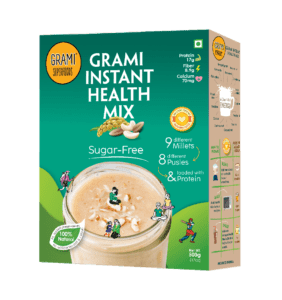
Check out our new Grami Instant Health Mix sugarfree made with pregnant women’s nutrition in mind. It has 9 different millets and 8 types of pulses giving you lots of protein and fiber with no added sugar – just what you need for a healthy pregnancy. This mix gives you over 15 nutrients, including macro and micro nutrients your body needs. Want to learn more? Click here.
#millets #ragi #sorghum #grains #grass #veg #snacks #biscuits #organic #plants #indianfood #teatime #desifood #farm #vegetarian #food #healthypregnancy #pregnancy #healthy #pregnancylife #naturalpregnancy #pregnancyfitness #fitpregnancy #healthylifestyle #pregnancyjourney #healthyfood #eathealthy #pregnant #type2diabetes #pregnancydiet #type1diabetes #t1diabetes #diabetestype1 #insulin #hyperglycemia
This post is extremely radiant. I really like this post. It is outstanding amongst other posts that I’ve read in quite a while. Much obliged for this better than average post. I truly value it!